By The Numbers: Grapple On The Gridiron
By The Numbers: Grapple On The Gridiron
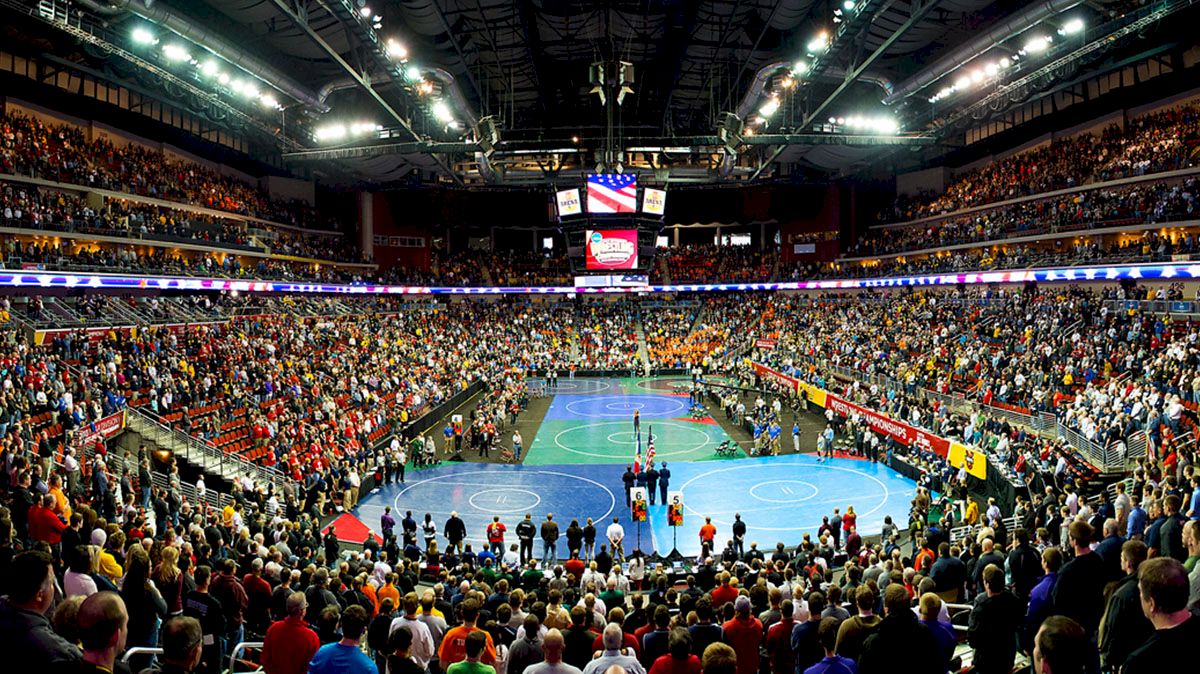
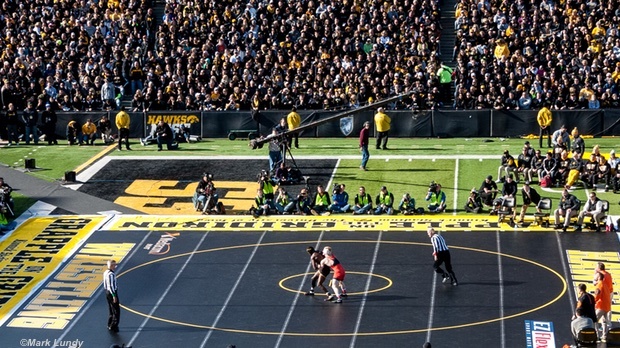
This week in “By The Numbers” we examine the Grapple on the Gridiron dual between Iowa and Oklahoma State. The dual was very close, and the stats reflect how close it was.
Takedowns: 31
Iowa: 16
OSU: 15
Takedowns are a stat that often makes the box score and correlates heavily to the result of the dual meet. Grapple on the Gridiron followed suit and the takedown battle mirrored the dual results. Iowa had a slight advantage in the takedown battle and won the dual by a slight margin. As we look at more duals in the future, it will be interesting to see if there are teams out there good enough on the mat to overcome a loss in the takedown battle and win the dual meet. One thing to keep in mind when examining this stat is that Alex Dieringer scored 7 of OSU’s 15 takedowns.
Committed Attacks: 112
Iowa: 54
OSU: 58
An evenly matched dual had a very evenly matched attack rate. The attacks counted were only from the neutral position. If you watched the dual you might be slightly surprised that OSU had a slight edge in the attacks. Alex Dieringer was an outlier here with 18 committed attacks. His output nearly doubled the next closest competitor on either team.
Near fall: 7 sets
Iowa: 3
OSU: 4
The four-point nearfall is impacting matches more than many people anticipated. The four-point nearfall drastically changed the 157lb match at Grapple on the Gridiron.
The two extra points Marsteller earned in for his one set of four nearfall probably won him the match. I know what you’re thinking… “three nearfall is only one point different than the four nearfall Marsteller earned.”
Not so fast. Marsteller earned his four nearfall with a four count. In the old rules Marsteller would have only earned two nearfall points from the situation. The one second and one additional point drastically changed the match. I like the new rule and believe the nearfall emphasis will be good for the sport.
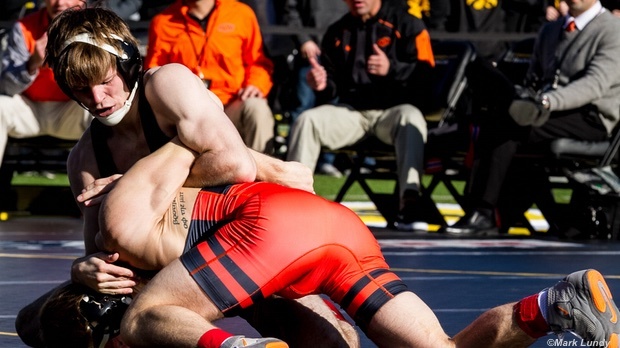
Reversals: 1
Iowa: 0
OSU: 1
“One hit, one goddamn hit?” was a famous quote from Harry Doyle in Major League. It popped into my head quickly as I made the realization that there was only one reversal in the whole dual meet. Chance Marsteller scored the lone reversal as Cooper got a little overzealous with a cow catcher from the top position.
A big push is being made for a three-point takedown to devalue the escape. I have been preaching to anyone who will listen that the three-point takedown should be mirrored with the three-point reversal. Guys often have a chance to get agressive as they start to get away, but the risk of not getting away outweighs the reward of a two-point reversal. If your opponent scores an escape, you worked hard on that reversal to end up +1, just the same as if you just took the escape yourself. Reward the guys going for reversals on bottom and devalue the escape with three-point takedowns and reversals.
Out of Bounds: 14
Iowa: 3 Stall Calls: 0
OSU: 7 Stall Calls: 5
As much as I hate the new stalling rules, this stat shows the new rules are keeping the action on the mat. Four matches did not go out of bounds a single time.
John Smith knew that Iowa was not called for stalling one time from going out of bounds when he showed up to the post-match press conference. There were a few situations that seemed to show inconsistencies in the rules. These probably lead to Smith’s displeasure with the rules and how they are being called. Oklahoma State was called for stalling five out of the seven times they went out of bounds. The Hawkeyes were not called in any of the three times they exited the wrestling area. Four times the wrestlers went out of bounds in a top/bottom situation, and the action was not deemed stalling.
Eddie Klimara was in on a double leg and Gilman takes the action out of bounds with a chestwrap. Action was indicted by the official and no warning was issued. Chance Marsteller was under attack from Cooper, and was called for stalling as he kicked away then defended with a whizzer. The situations were similar, but called differently.
The other discrepancy was Crutcher escaping before being driven out of bounds just like Patrick Rhoads. Rhoads escaped right at the boundary line and was not called for stalling. Crutchmer escaped toward the center but cleared space as he earned the escape. He is forced out just after the escape and is called for stalling. I totally agree with the Crutchmer call, but question the no call on Rhoads. At what point does the escape at the boundary line get called?
The new rules have pushed me to the dark side of a definitive step-out rule. Take the gray area out, and call the step-out in the neutral position.
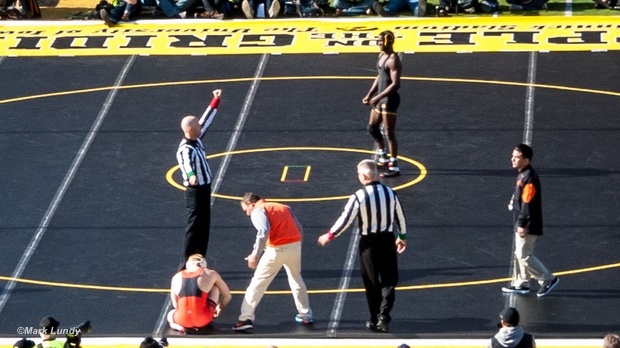
Total Stall Calls: 12
Iowa: 3
OSU: 9
This looks like Iowa dominated the action. In spots they did, but five of the nine stall calls came against OSU on the boundary line. Coach Brands stated in his post match press conference that they had practiced how to wrestle the boundary situations and it paid off.
Riding Time: 6
Iowa: 3
OSU: 3
Riding time is a pretty good indication that you are controlling the match. It is hard to earn a riding time point if you are being dominated. All six wrestlers that earned riding time points won their matches.
Most of the off-season rule talk was about the stalling calls on the boundary line. They certainly came into play in the dual meet, and by most accounts the rules need to be fixed. The inconsistencies are just too great for the competitors to get a level playing field. I have even changed my tune to being in full support of a clear cut step-out rule. Over the summer you couldn’t have found a wrestling fan with a stronger opposition to the step-out proposals. Now I am in full support.
The nearfall change got brushed aside as a non-impact rule change. That is not the case. The Marsteller match showed that not only does the extra point have a significant impact, but the one second differential to secure the full set of four nearfall is a match changer. Marsteller secured one set of four nearfall in the bout. That set just barely go the four count. This was a two-point swing in the match directly attributed to the new rule. This rule is going to impact more matches that people when the off-season rule changes were announced.
We can break down the match all we want, but the big winner from the dual was the sport of wrestling. Iowa showed us that wrestling can be an amazing event that draws fans in scores. The Hawkeye fans showed why they are the sports number one fan base. With that said here is your final number 42,287!