Brandon Slay, Jake Herbert Weigh In On Criteria
Brandon Slay, Jake Herbert Weigh In On Criteria
Brandon Slay, Jake Herbert Weigh In On Criteria
Christian Pyles
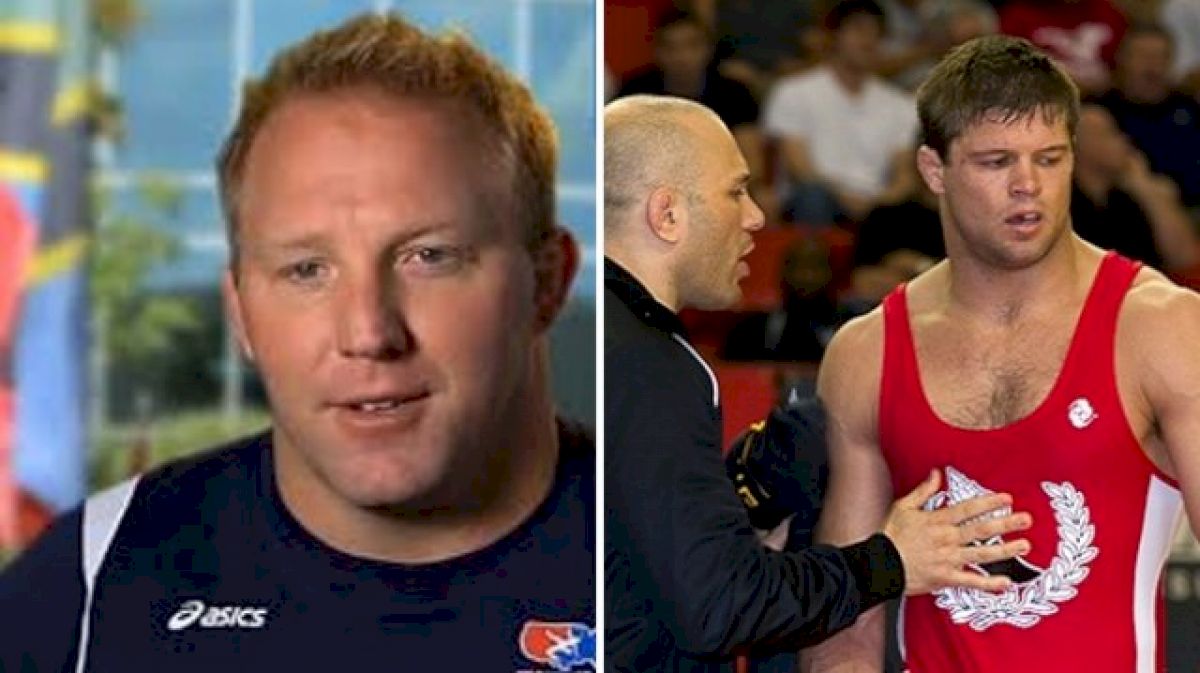
As we continue the conversation on criteria, I reached out to Olympic Champion and Assistant Freestyle Coach, Brandon Slay as well as World Silver Medalist Jake Herbert.
These two bring a vast amount of experience both as competitors and as coaches and could provide unique insights as well as expertise on the topic.
Coach Slay cut right to the chase when asked about criteria.
“I think criteria is bad for sports and bad for wrestling, especially as American wrestlers we’ve been programmed to think if a match is tied then the match is going into overtime. When you lose on criteria it’s anticlimactic, it’s confusing for coaches, it’s confusing for wrestlers and clearly if it’s confusing for coaches and wrestlers it’s going to be very confusing for fans.
When you start getting into these high scores it makes it so you have to have a statistician to keep up with one four-pointer, two two-pointers, a caution, which is why it’s no good"
Slay believes criteria situation lays an extra burden on coaches as well as athletes.
“It’s our job as Freestyle coaches to re-program them to think when it’s tied “Hey, you aren’t going into overtime.” You have to reprogram them to start thinking about criteria. That makes it a little harder to stay focused during your match.”
When asked about the rest of the World’s perspective on overtime, Coach Slay painted a picture of the opinions of the international community.
“Universally the majority of the countries don’t want the matches to last longer than 6 minutes. They want skill to win the day whereas Americans put skill very important but also believe shape, grit and determination are very important as well. The majority of wrestlers around the world aren’t worried about the 7th or 8th minute in the match.
The rest of the world knows that we do train harder and that we put more minutes into wrestling, cardio, strength and conditioning. So they believe it’s to our advantage for us to have overtime so it’s to their advantage to have criteria. When we voted were one of the only countries to raise our hand for overtime. Russia doesn’t want it, Uzbekistan doesn’t want it.”
Coach Slay was able to make some concessions about the use of criteria and perhaps where its place is in the Freestyle realm.
“After 3 minute sudden victory overtime, then I think everybody’s fine with going to criteria. If nobody does anything for 3 minutes, then you deserve to lose for more cautions, or for giving up the last takedown.”
Coach Slay went on to echo the sentiments of many when he recognized the improvements freestyle wrestling has made recently, yet reminded us that we can always strive for better.
“While we have to be thankful that the rules are better than the dark ages of wrestling with the ball pull and the best 2 out of 3 periods, we also still have to be thoughtful for how to make the rules better for wrestlers, coaches and fans.”
World Silver medalist and Olympian Jake Herbert pulled no punches when asked why overtime is the solution for freestyle wrestling.
“What’s more exciting than the finals of a great match coming down to sudden death? That’s what everyone remembers. Nobody was ever like “Oh my gosh! Someone just won on criteria.”
When asked about considering criteria while wrestling, Herbert colorfully expressed his thoughts and opinions on how he'd handle a match when the score was tied.
“When I’m wrestling right now when theres 1 minute left and the score is tied I would 100% go up to the ref and ask who is winning, and he’ll say it doesn’t matter, just wrestle, and I’ll say “**** you, it does matter, tell me who’s winning.”
Based on the sentiments held by many outside of the United States, I asked Jake if overtime coming to freestyle was a pie in the sky idea, he charged the community to remain vigilant.
“I think we keep applying pressure, because everyone knows this is the best thing for the sport. Everyone thought the World was flat and that was the right thing, so I don’t think it should be an American pipe dream.”
Christian Pyles
As we continue the conversation on criteria, I reached out to Olympic Champion and Assistant Freestyle Coach, Brandon Slay as well as World Silver Medalist Jake Herbert.
These two bring a vast amount of experience both as competitors and as coaches and could provide unique insights as well as expertise on the topic.
Coach Slay cut right to the chase when asked about criteria.
“I think criteria is bad for sports and bad for wrestling, especially as American wrestlers we’ve been programmed to think if a match is tied then the match is going into overtime. When you lose on criteria it’s anticlimactic, it’s confusing for coaches, it’s confusing for wrestlers and clearly if it’s confusing for coaches and wrestlers it’s going to be very confusing for fans.
When you start getting into these high scores it makes it so you have to have a statistician to keep up with one four-pointer, two two-pointers, a caution, which is why it’s no good"
Slay believes criteria situation lays an extra burden on coaches as well as athletes.
“It’s our job as Freestyle coaches to re-program them to think when it’s tied “Hey, you aren’t going into overtime.” You have to reprogram them to start thinking about criteria. That makes it a little harder to stay focused during your match.”
When asked about the rest of the World’s perspective on overtime, Coach Slay painted a picture of the opinions of the international community.
“Universally the majority of the countries don’t want the matches to last longer than 6 minutes. They want skill to win the day whereas Americans put skill very important but also believe shape, grit and determination are very important as well. The majority of wrestlers around the world aren’t worried about the 7th or 8th minute in the match.
The rest of the world knows that we do train harder and that we put more minutes into wrestling, cardio, strength and conditioning. So they believe it’s to our advantage for us to have overtime so it’s to their advantage to have criteria. When we voted were one of the only countries to raise our hand for overtime. Russia doesn’t want it, Uzbekistan doesn’t want it.”
Coach Slay was able to make some concessions about the use of criteria and perhaps where its place is in the Freestyle realm.
“After 3 minute sudden victory overtime, then I think everybody’s fine with going to criteria. If nobody does anything for 3 minutes, then you deserve to lose for more cautions, or for giving up the last takedown.”
Coach Slay went on to echo the sentiments of many when he recognized the improvements freestyle wrestling has made recently, yet reminded us that we can always strive for better.
“While we have to be thankful that the rules are better than the dark ages of wrestling with the ball pull and the best 2 out of 3 periods, we also still have to be thoughtful for how to make the rules better for wrestlers, coaches and fans.”
World Silver medalist and Olympian Jake Herbert pulled no punches when asked why overtime is the solution for freestyle wrestling.
“What’s more exciting than the finals of a great match coming down to sudden death? That’s what everyone remembers. Nobody was ever like “Oh my gosh! Someone just won on criteria.”
When asked about considering criteria while wrestling, Herbert colorfully expressed his thoughts and opinions on how he'd handle a match when the score was tied.
“When I’m wrestling right now when theres 1 minute left and the score is tied I would 100% go up to the ref and ask who is winning, and he’ll say it doesn’t matter, just wrestle, and I’ll say “**** you, it does matter, tell me who’s winning.”
Based on the sentiments held by many outside of the United States, I asked Jake if overtime coming to freestyle was a pie in the sky idea, he charged the community to remain vigilant.
“I think we keep applying pressure, because everyone knows this is the best thing for the sport. Everyone thought the World was flat and that was the right thing, so I don’t think it should be an American pipe dream.”